The Major Arcana: a complete guide to the soul's journey
Discover the meaning of the Major Arcana: the 22 archetypes, the Fool's Journey and how to use these cards for honest self-knowledge and growth.
The meaning of the Major Arcana is best understood as a map of the human experience rather than a list of predictions. These 22 cards trace a single story of growth, the Fool's Journey, where each archetype marks a stage your own life moves through. Read this way, they become tools for self-knowledge and conscious choice, never a fixed sentence about your future.
If you would rather see these archetypes show up around your actual question instead of only studying theory, you can take the personalized reading quiz and start there. For a wider view of all 78 cards, the guide to tarot card meanings makes a good companion to this one.
What are the Major Arcana in tarot?
They are the 22 core cards that carry the deepest lessons. While the Minor Arcana speak to daily situations, the Major Arcana represent the big themes: turning points, spiritual lessons and the forces that shape a whole season of life.
The word "arcana" comes from the Latin arcanum, meaning secret or mystery. These cards are not just illustrations; they are keys to your own psyche. The psychologist Carl Jung saw tarot imagery as a reflection of universal archetypes living in the collective unconscious. When The Empress or The Tower appears, you are meeting a deep pattern that already operates inside you.
If you prefer to explore the cards online before committing to a deeper study, our overview of online tarot explains how a digital reading can still be honest and grounded.
What is the Fool's Journey?
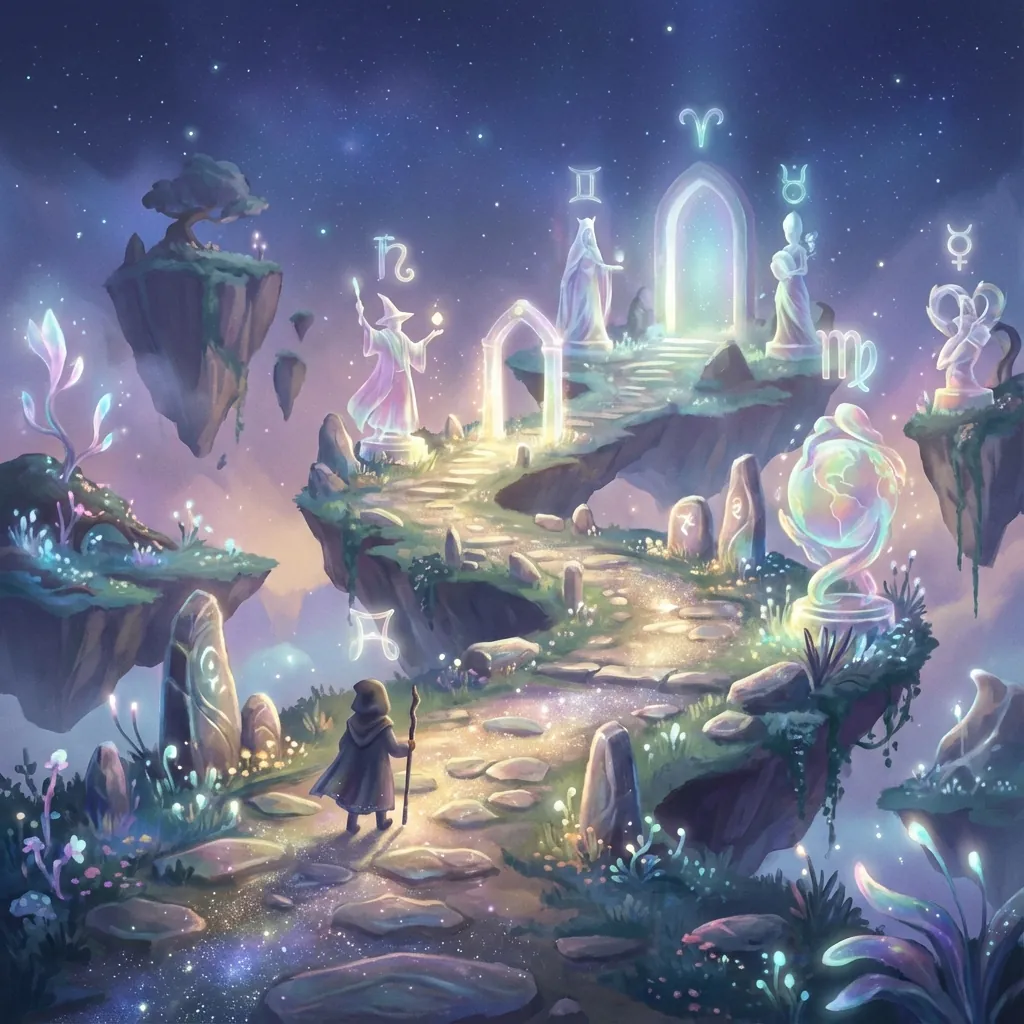
It is the story that links all 22 cards into one path of growth. The journey begins with The Fool (0), the open, trusting soul who steps into the world with curiosity instead of fear. From there, every card is a teacher or a test.
- The Magician (I) and The High Priestess (II) teach the balance between conscious action and quiet intuition.
- The Empress (III) and The Emperor (IV) bring the nurturing and structuring forces, nature and order.
- The Hierophant (V) introduces tradition, mentorship and shared belief.
As the Fool moves on, he meets love in The Lovers (VI), ambition and ego in The Chariot (VII), and learns about balance and fairness. In the heavier cards, such as Death (XIII) and The Tower (XVI), he discovers that endings are often the price of renewal. Arriving at The World (XXI), the cycle completes with integration and wholeness.
If certain cards tend to frighten people, you can read them with a calm, mature lens in our guide to difficult tarot cards. And when a spread points to a clear ending and a fresh start, the article on turning point cards helps you read that shift.
The three stages of growth
The Major Arcana split into three groups of seven, with the Fool walking through them all:
- The realm of awareness (I to VII): building the ego and engaging with the material and social world. This is the outer "who am I".
- The realm of the inner self (VIII to XIV): facing fears, desires and questions of meaning. This is the inner "who am I".
- The realm of the spirit (XV to XXI): the final stage of integration, meeting larger forces and reaching wholeness.
What do the most important Major Arcana mean?
Each card is a world of its own, yet a few appear again and again at decisive moments, so they are worth a closer look.
The High Priestess (II): the power of silence
Often mistaken for passivity, The High Priestess is the guardian of the threshold between worlds. She stands for wisdom that cannot be taught from a book, only felt. In a reading she is an invitation to stop pushing and start listening. In a world obsessed with output, her quiet is the most powerful tool of insight.
Death (XIII): the great transformation
Perhaps the most feared card, and unfairly so. Death rarely means physical death. It is the arcana of metamorphosis, the butterfly leaving the cocoon. Does it sting? Yes. Is it the end of something? Definitely. But it is the condition for something new and truer to be born. Resisting this energy brings suffering; accepting it brings release.
The Star (XVII): hope after the storm
Arriving right after the chaos of The Tower, The Star is the balm of healing. It represents renewed faith, inspiration and pure connection. After the illusions of the ego fall away, you stand bare under the cosmos and sense you belong to something far larger. This is the card of earned optimism and serenity.
How do you read a Major Arcana card in a spread?
You read it through a few lenses at once, since the same archetype shifts with position and context. The table below shows how one card, The Star, can be read across common questions.
| Upright | Reversed | Love | Work | Yes/No |
|---|---|---|---|---|
| Hope, healing, renewed faith | Discouragement, self-doubt, lost connection | A tender, sincere bond worth nurturing | Inspiration returns; pursue a heartfelt project | Yes |
Use it as a starting frame, not a verdict. Two cards together can change everything, which is why learning tarot card combinations makes your readings far more nuanced. The same care applies to the personalities of the court cards, which add the human voices in a spread.
How can you use the Major Arcana day to day?
You can use them as gentle prompts for reflection, with no fortune-telling required. A few simple practices:
- Card of the day: in the morning, shuffle only the 22 Major Arcana and draw one. Instead of guessing the future, ask: "Which archetype should I embody today?" If you draw Strength, practice patience and self-control. If you draw The Hermit, make space for solitude.
- Image meditation: pick a card that holds a quality you want, such as The Magician for creativity. Sit quietly, look at it for a few minutes and imagine yourself inside the scene.
- Tarot journaling: keep a notebook of the card you drew and how it showed up that day. Over time you will spot patterns and read your own Fool's Journey.
A quick reference for the meaning of the Major Arcana
For easy review, here is the keyword for each card, the heart of the meaning of the Major Arcana in a single line:
- 0 The Fool beginnings, trust. I The Magician will, focus. II The High Priestess intuition, mystery.
- III The Empress abundance, care. IV The Emperor structure, authority. V The Hierophant tradition, mentorship.
- VI The Lovers choice, union. VII The Chariot drive, willpower. VIII Strength courage, gentleness.
- IX The Hermit reflection, guidance. X Wheel of Fortune cycles, change. XI Justice truth, balance.
- XII The Hanged Man surrender, new view. XIII Death endings, rebirth. XIV Temperance harmony, patience.
- XV The Devil attachment, shadow. XVI The Tower sudden shake-up. XVII The Star hope, healing.
- XVIII The Moon dreams, the unknown. XIX The Sun joy, clarity. XX Judgement awakening, calling. XXI The World completion, wholeness.
The key is in your hands
The Major Arcana are not sentences of fate; they are invitations. They ask you to look past the obvious, question your beliefs and grow beyond your current limits. Studying these 22 cards is really learning the language of your own soul. The deeper meaning of the Major Arcana is always personal, and the final move is yours.
To dig into the background, the history of the Major Arcana and the classic Rider–Waite tarot are excellent reference points. And when you are ready to apply all of this to your own question, you can take the personalized reading quiz and let the archetypes speak to where you are right now.
Frequently asked questions
What are the Major Arcana in tarot?+
The Major Arcana are the 22 main cards of the tarot deck, each carrying a universal archetype and a major life lesson. Unlike the Minor Arcana, which deal with everyday matters, they point to deep cycles of transformation and growth.
What is the correct order of the 22 Major Arcana?+
The sequence runs from The Fool (0) to The World (XXI), passing through The Magician, The High Priestess, The Empress, The Emperor, The Hierophant, The Lovers, The Chariot, Strength, The Hermit, Wheel of Fortune, Justice, The Hanged Man, Death, Temperance, The Devil, The Tower, The Star, The Moon, The Sun and Judgement.
Does the Death card mean a literal death?+
No. In tarot, Death (XIII) almost never means physical death. It symbolizes necessary endings, deep transformation and the close of one chapter so something new can begin.
Do the Major Arcana predict a fixed fate?+
No. They work as a mirror and a map, showing the energies and patterns at play rather than an unchangeable destiny. A reading supports self-knowledge and conscious action, and the final choice is always yours.